| Recent
and current research projects in manufacturing
Environmentally responsible manufacturing
- Reducing
the use of cutting fluids in aluminum machining
- Characterizing
shape features for improved recyclability
- Designing
for disassembly
- Process
waste in machining processes
Forming
- Sheet
metal forming optimization/control: the intelligent stamping die
- Extrusion
friction test using combined flow, backward extrusion emphasis
- Imaging
analysis in metal forming
- Plastic
instability analysis in sheet metal
Machining
- Process
modeling and analysis for smart tool redevelopment in flexible line
boring

- Characterization
of machine tool performance
- Development
of a mechanistic model for the drilling process
- Wear
and cutting performance of silicon-carbide-whisker-reinforced alumina
Manufacturing
Systems
- Dimensional
accuracy in automotive parts: effects of materials variability
- FMS scheduling
subject to deadline
- Data-dependent
systems approach to machine vision
- Robust
control implementation in manufacturing
Micromanufacturing
- Actuated
insertion tools for cochlear prostheses
- MEMS
packaging with integrated fluid microconnectors
- Chip-level
fluid microconnectors for reconfigurable MEMS
Laboratories
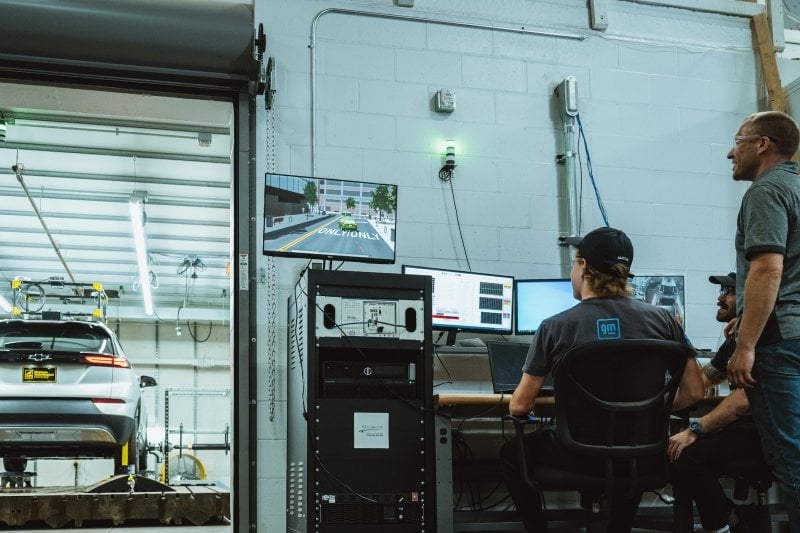
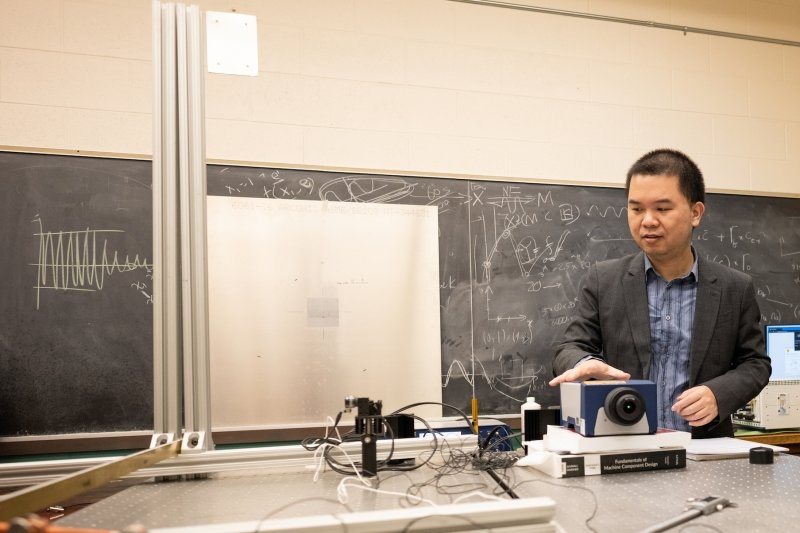
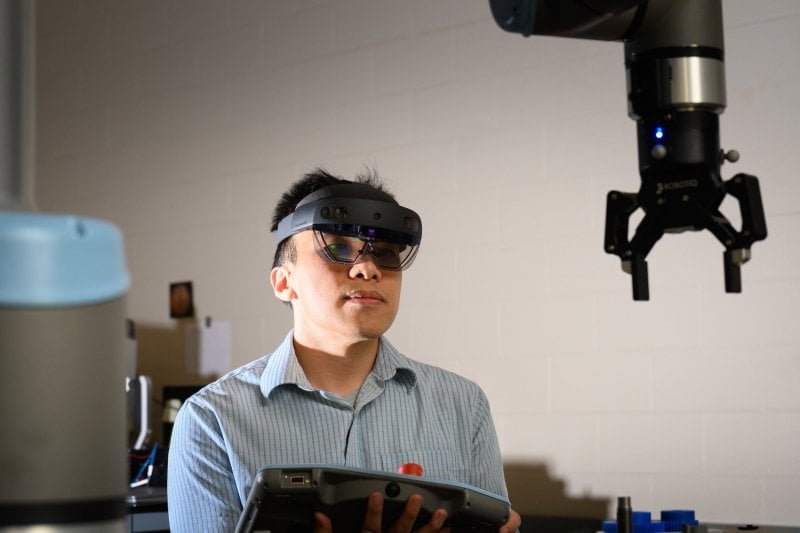
Research is conducted in laboratories, completely outfitted
with the latest technology used in industry today. They are:
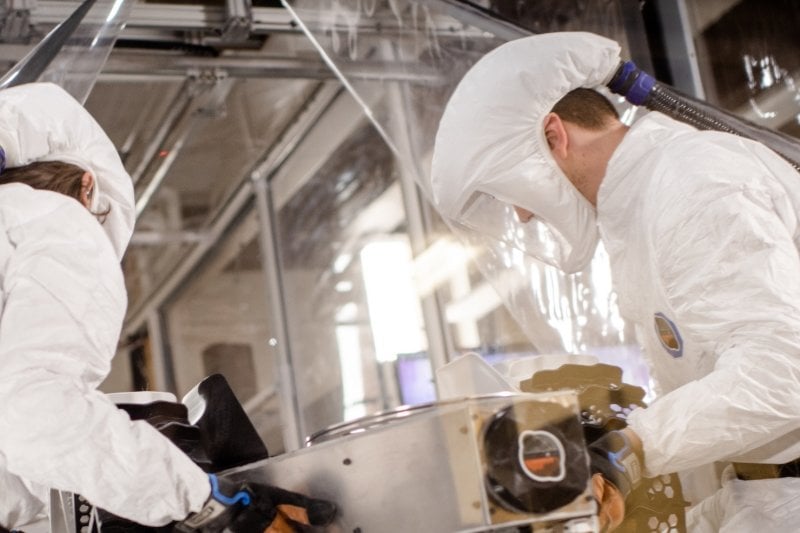
- Class
1000 Cleanroom
- Machine
Vision Lab
- Manufacturing
Research (MARC) Lab
- Materials
Processing Lab
- Materials
Removal Lab
- Metrology
Lab
- Micromechanical
Machining Lab
- Precision
Machining Lab
Stature
The ME-EM department is one of the largest in the nation and is the largest
in the College of Engineering at Michigan Tech. It has more than 40 full-time
faculty members. In fall 2002, 147 graduate students, which included 59
doctoral students, were enrolled in the department.
Students
at MTU work on projects funded by organizations such as the National Science
Foundation, the U.S. Environmental Protection Agency, NASA, DOE, DOD,
DoEd, the automobile industry, and the aerospace industry.
ME-EM students
work in laboratories that occupy more than 50,000 square feet of space
and house the most advanced research and computing equipment available
to date.
A $3.2-million
campaign provided a new Student Innovation Complex for the ME-EM department,
along with a number of renovated labs and new learning environments to
support the revised curriculum.
All students
are automatically considered for financial support—no additional
application forms are necessary.
ME-EM is
ranked 17th nationally in graduate student enrollment and 23rd nationally
in PhD degrees awarded (1999-2000). |