| Recent
and current research projects in energy thermofluids
CFD
- Optimization
of compound nozzle using computational fluid dynamics
- Computational
fluid dynamics analysis of turbulent flows
Energy
Systems
- Cooling
system modeling of diesel-powered vehicles
- Nozzle
designs to minimize droplet sizes of aerosols
Powertrain
- An optical
sensor for measuring fuel film dynamics in a port-fuel-injected engine
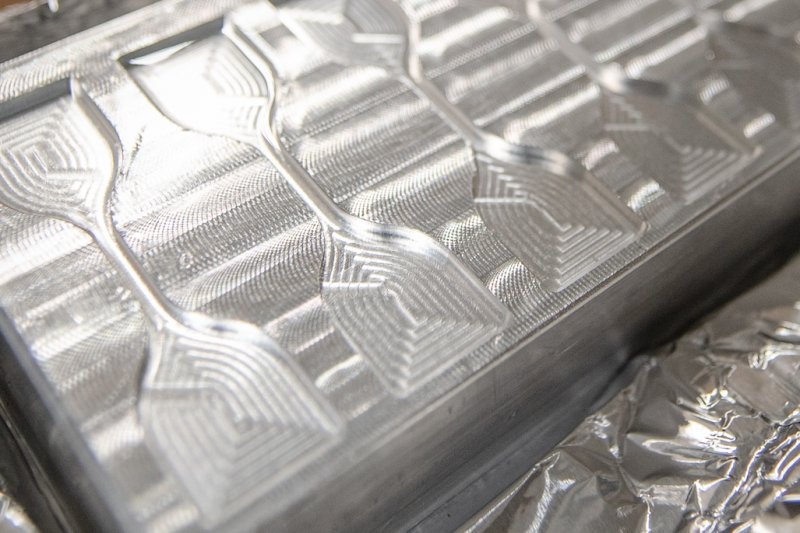
- Compound
electroformed metal nozzles for high-pressure gasoline injection
- Piston
heat transfer in a direct fuel injected two-stroke engine
- Cavitation
signatures in torque converters
- Spray
impingement in DI diesels
- Diesel
particulate and NOx Control Technology
- Low-speed
ports for a two-stroke engine
Space
propulsion
- Study
of magnetic field interaction in clustered Hall-effect thrusters

- Micro-spacecraft
formation flying using inter-vehicle Coulomb forces for control
- Evaluation
of alternative propellants for ion propulsion
Transport
Processes
- Development
of a two-phase fuel-flow model
- Modeling
of the atomization process
- Modeling
of the flow, heat transfer, and particulate matter reactions in a diesel
trap
- Electrostatic
enhancement of pseudo-dropwise condensation of non-CFC refrigerants
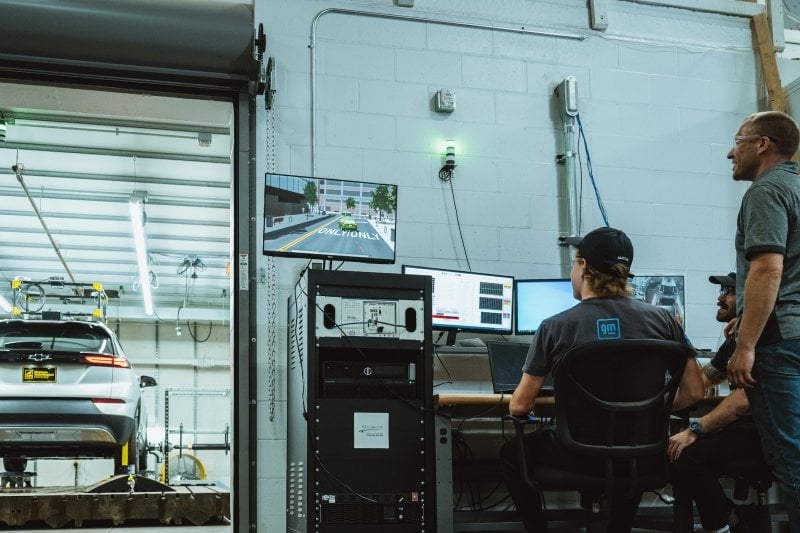
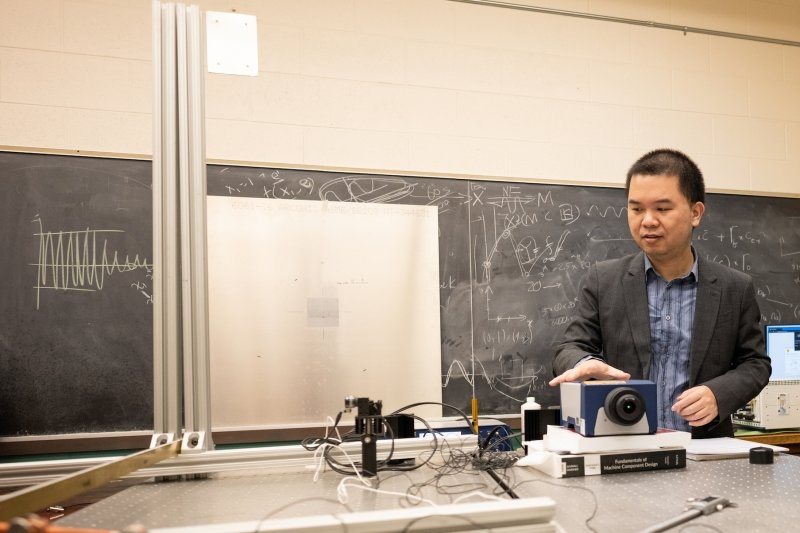
Laboratories
Research
is conducted in laboratories, completely outfitted with the latest technology
used in industry today. They are:
- Advanced
Space Propulsion Lab
- Automotive
Engine Lab
- Automotive
Two-Stroke Lab
- Cold
Room
- Diesel
Engine Lab
- Heat
Transfer Lab
- Laser
Lab
- Piston
Temperature Measurement Lab
- Small
Engines Lab
- Two-Stroke
Marine Engine Lab
Stature
The ME-EM department is one of the largest in the nation and is the largest
in the College of Engineering at Michigan Tech. It has more than 40 full-time
faculty members. In fall 2002, 147 graduate students, which included 59
doctoral students, were enrolled in the department.
Students
at MTU work on projects funded by organizations such as the National Science
Foundation, the U.S. Environmental Protection Agency, NASA, DOE, DOD,
DoEd, the automobile industry, and the aerospace industry.
ME-EM students
work in laboratories that occupy more than 50,000 square feet of space
and house the most advanced research and computing equipment available
to date.
A $3.2-million
campaign provided a new Student Innovation Complex for the ME-EM department,
along with a number of renovated labs and new learning environments to
support the revised curriculum.
All students
are automatically considered for financial support—no additional
application forms are necessary.
ME-EM is
ranked 17th nationally in graduate student enrollment and 23rd nationally
in PhD degrees awarded (1999-2000). |